Detection Engineer Training
BlueCyber's Detection Engineering program trains you to design, build, and optimize threat detection logic. Master custom detection rules, MITRE ATT&CK mapping, SIEM correlation, and threat-informed defense in 8-12 weeks of hands-on development.
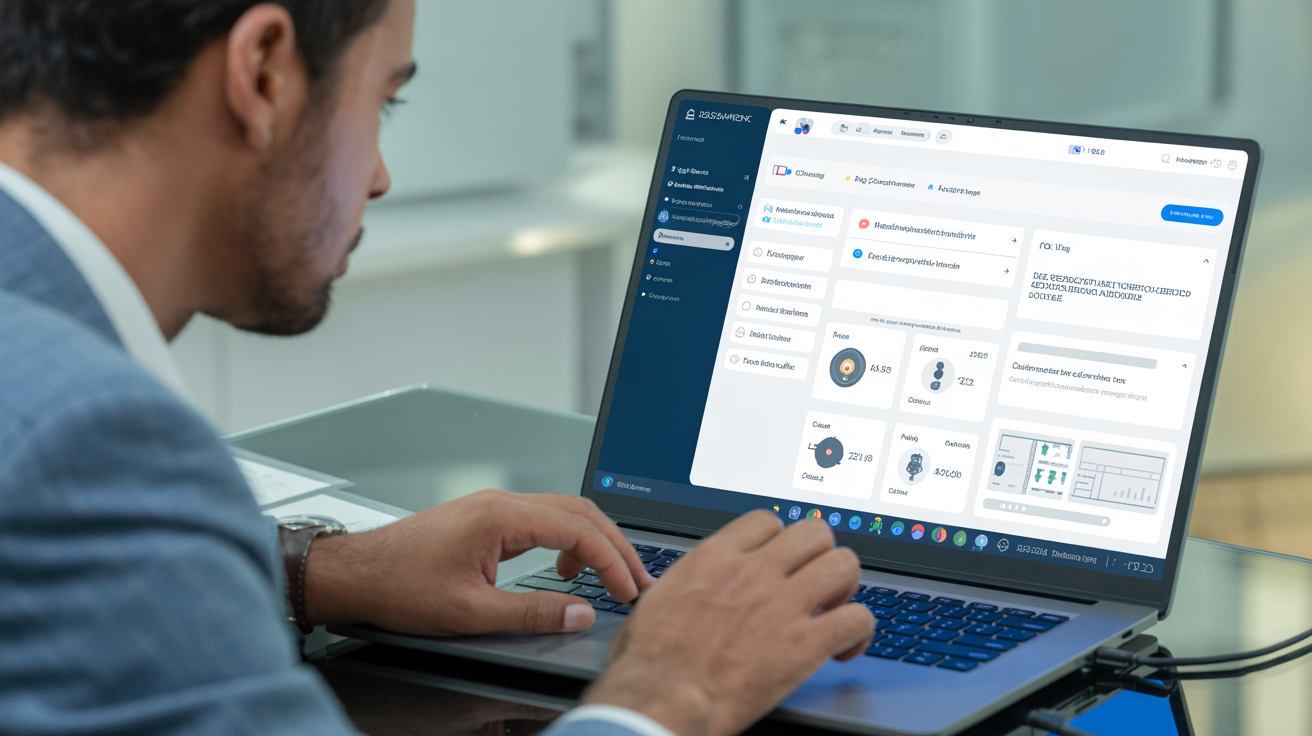
Detection Engineering Skills
Build proactive, threat-informed defenses
Detection Logic Development
Design and implement custom detection rules in Splunk, Sentinel, and EDR platforms. Build correlation searches and behavioral analytics.
MITRE ATT&CK Mapping
Map detections to MITRE ATT&CK tactics and techniques. Build coverage matrices and identify detection gaps.
Detection Optimization
Tune detections to reduce false positives, improve performance, and maximize signal-to-noise ratio.
Threat Intelligence Integration
Integrate threat intel feeds, build IOC detections, and implement threat-informed detection strategies.
Core Curriculum
Detection Development Process
Research Adversary TTPs
Understand attack techniques, data sources, and detection opportunities using MITRE ATT&CK and threat intelligence.
Design Detection Logic
Write detection queries, define thresholds, and identify required data sources and log types.
Test & Validate
Emulate attacks to test detections, validate true positive rates, and measure performance impact.
Deploy & Monitor
Deploy to production, monitor false positive rates, and iterate based on analyst feedback.
Hands-On Detection Projects
Lateral Movement Detection Library
Build comprehensive lateral movement detections: PsExec, WMI, RDP, pass-the-hash, pass-the-ticket. Map to MITRE ATT&CK and test with attack simulation.
Behavioral Analytics for Insider Threats
Design behavioral detections for data exfiltration: abnormal file access, large downloads, USB usage, cloud storage uploads, and after-hours activity.
Cloud Detection Engineering
Build detections for AWS, Azure, and GCP: IAM privilege escalation, unusual API calls, data exfiltration from storage, and compromised service accounts.
Threat Intel Automation Pipeline
Build automated IOC ingestion from threat intel feeds (STIX/TAXII), enrich with context, and generate detection rules for SIEM and EDR platforms.
Detection Engineer Career Path
Detection Engineers typically advance from SOC analyst roles after mastering SIEM operations and threat analysis. Career progression:
SOC Analyst L1/L2
Build foundation in SIEM operations and threat analysis
Detection Engineer (You are here)
Build and optimize detection logic
Senior Detection Engineer / Detection Lead
Lead detection engineering program, mentor team
Purple Team Lead / Threat Detection Manager
Coordinate offensive and defensive security programs
Frequently Asked Questions
What's the difference between Detection Engineer and SOC Analyst?
SOC analysts respond to alerts. Detection engineers build the alerts—designing detection logic, tuning rules, reducing false positives, and ensuring comprehensive threat coverage. It's a proactive, engineering-focused role.
Do I need programming skills?
Yes, basic scripting is essential. You'll need Python or PowerShell for automation and SIEM query languages (SPL, KQL). We teach detection logic development throughout the course, but comfort with code helps.
Is MITRE ATT&CK experience required?
No, but familiarity helps. We teach MITRE ATT&CK framework comprehensively: tactics, techniques, detection coverage mapping, and how to build threat-informed detection strategies.
Will I learn to build detections for all SIEMs?
We focus on Splunk and Microsoft Sentinel (most common), but teach transferable detection engineering principles. Once you understand detection logic and adversary behaviors, you can adapt to any SIEM or EDR platform.
Become a Detection Engineer
Build threat-informed detections and optimize your SOC's defensive capabilities.